Posted inMicro-Investing Fundamentals
Learn what micro-investing can realistically achieve, with UK examples of contributions, fees, inflation, market risk and long-term goals.



































Tinywealth helps everyday readers understand investing, saving, personal finance and long-term wealth building through clear, practical financial education.
We focus on the questions people actually face: how investing works, what fees mean, how risk affects outcomes, how to compare financial products, and how small financial decisions can fit into a longer-term plan. Our goal is to make financial concepts easier to understand without turning education into hype or personalised financial advice.
Micro-investing is one of our core learning areas. If you are new to the subject, start with our complete micro-investing guide, then explore the individual topics below.
Good investing education starts with fundamentals rather than product promotion. Tinywealth explains concepts such as diversification, investment costs, time horizon, market risk, fractional ownership and the difference between saving and investing.
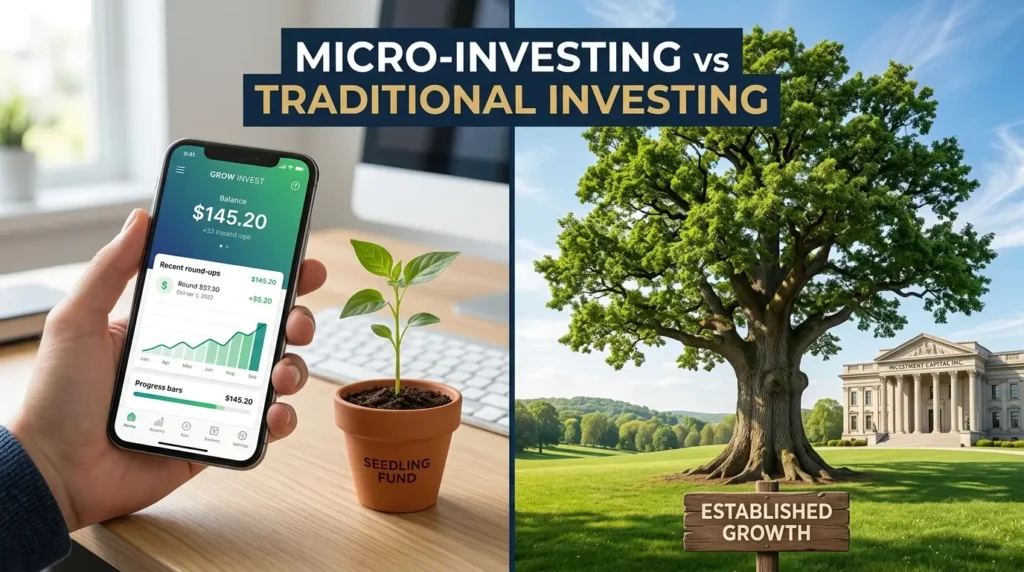
Our micro-investing vs traditional investing comparison explains why these approaches are not necessarily separate categories, while our guide to how much money you need to start investing focuses on the practical question of starting capital.
Tinywealth provides general educational information. Articles are not personalised financial, investment, tax or legal advice, and no article can determine whether a particular investment is suitable for an individual. Investment values can fall as well as rise, and readers should consider their own circumstances, objectives, time horizon and risk tolerance.
For UK regulatory information, consult the Financial Conduct Authority. For general investor education, Investor.gov provides additional resources.
Visit the latest articles for new educational content, read about Tinywealth and our editorial approach, or contact us with article feedback, corrections and topic suggestions.